
Orixás
What is an Orixá?
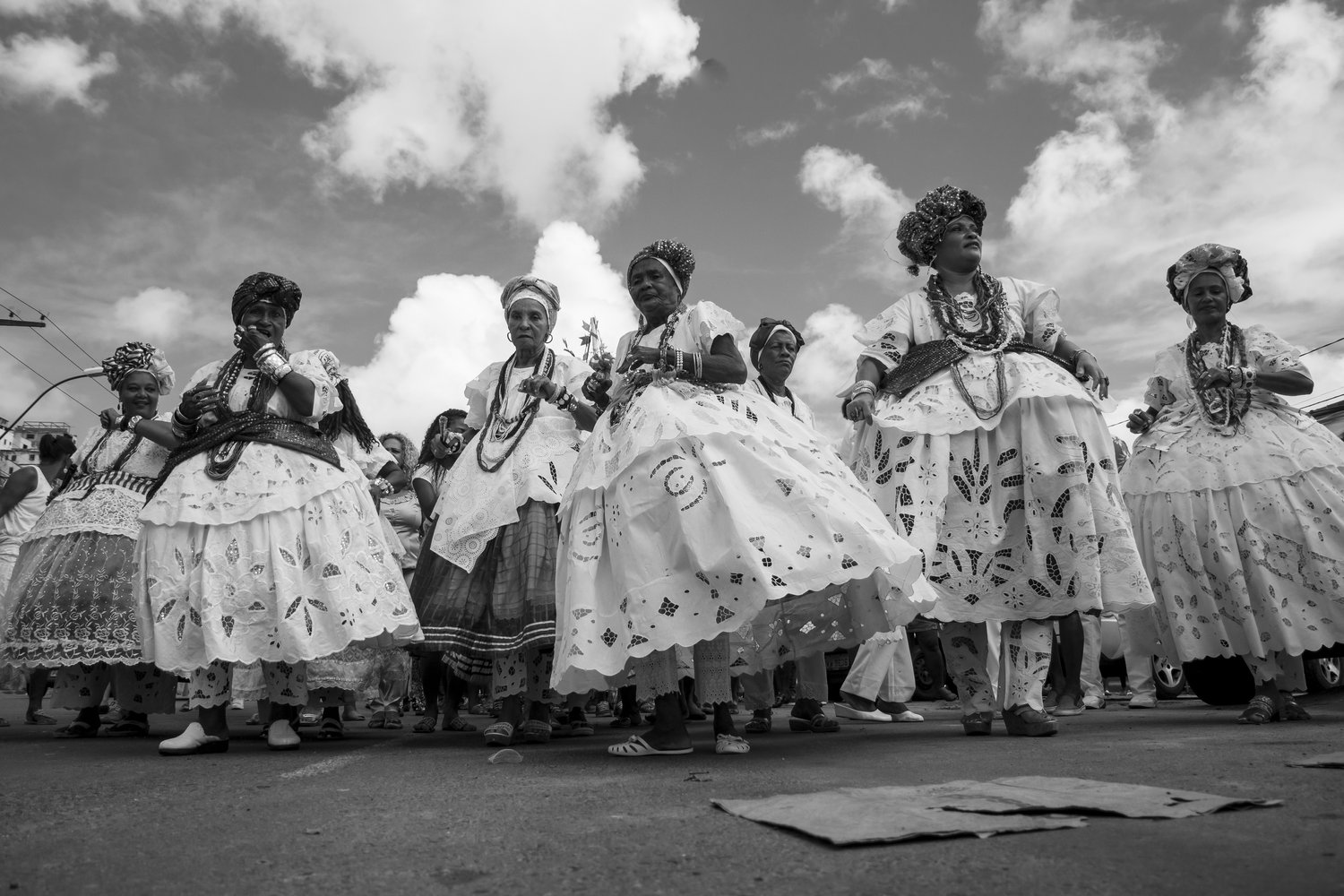
An Orixá is a deity or spirit in the Afro-Brazilian religion of Umbanda. The Orixás are revered as powerful beings who are associated with different aspects of our lifes as humans, such as natural phenomena, human emotions and behaviors, and social roles. They are believed to be intermediaries between human beings and the supreme deity, Obaluae the creator of all, and they are often invoked for assistance and guidance in various aspects of life. Each Orixá is associated with specific symbols, colors, numbers, foods that are prepared as offerings, and other cultural elements. In our Umbanda works we honor the different qualities of the Orixás and invite their forces into our lives through various rituals and practices, such as herb baths, meditations and sung prayers.
How many Orixás are there in Umbanda?
There are a number of different Orixás in Umbanda. The exact number can vary depending on the specific tradition or lineage. In some traditions, there may be as few as 7 Orixás, while in others there may be as many as 21 or more. The Orixás are revered as deities or spirits who are associated with different aspects of life, such as natural phenomena, human emotions and behaviors, and social roles. Some common orixas include Exu, Oxum, Iansa, Ogum, and Yemanja.
Yemanja
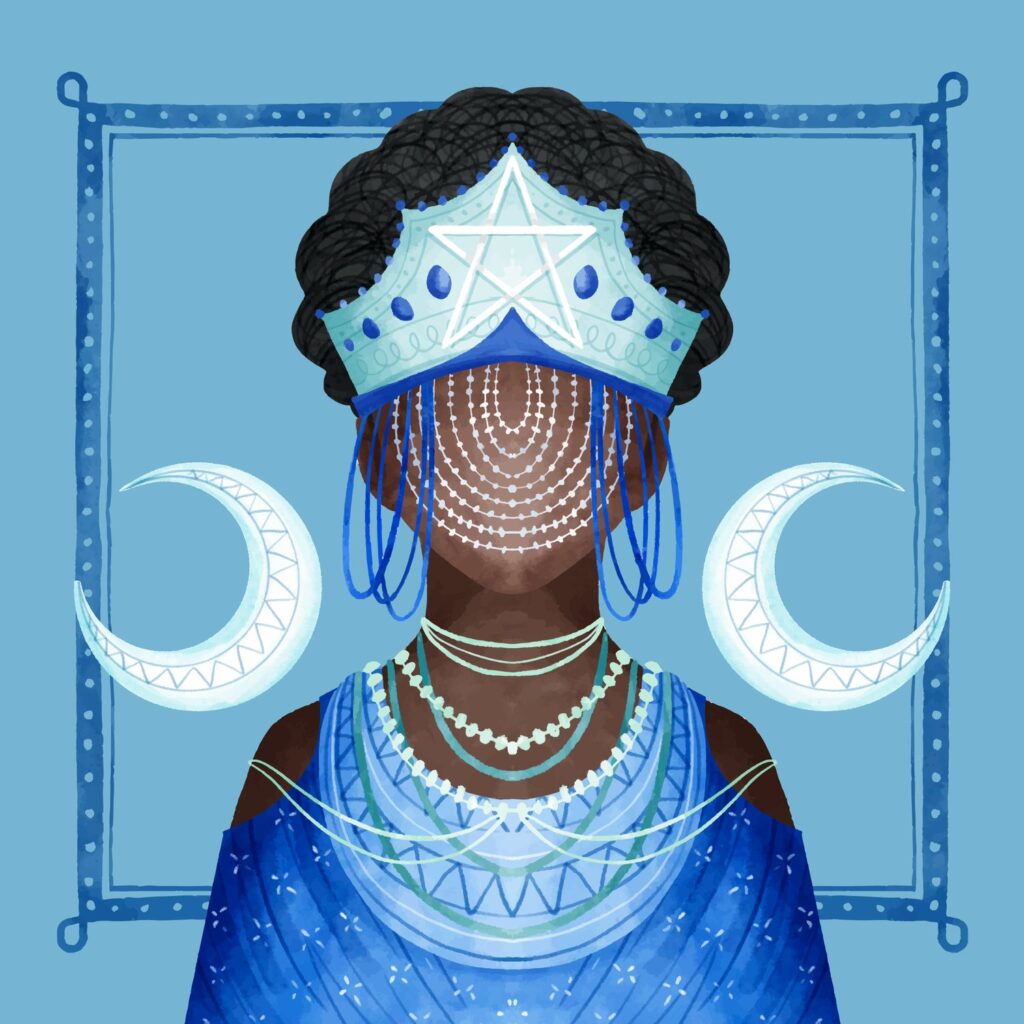
Orixá of fertility, mistress of the sea
Yemanja is worshiped as “Mother Ocean” and as the mother of all that lives in the sea. She is the Orixá of fertility, motherhood, and is associated with the color blue. She is also considered to be the Orixá of love, beauty, and sensuality, and is often invoked for matters related to relationships, family, and fertility.
Yansã
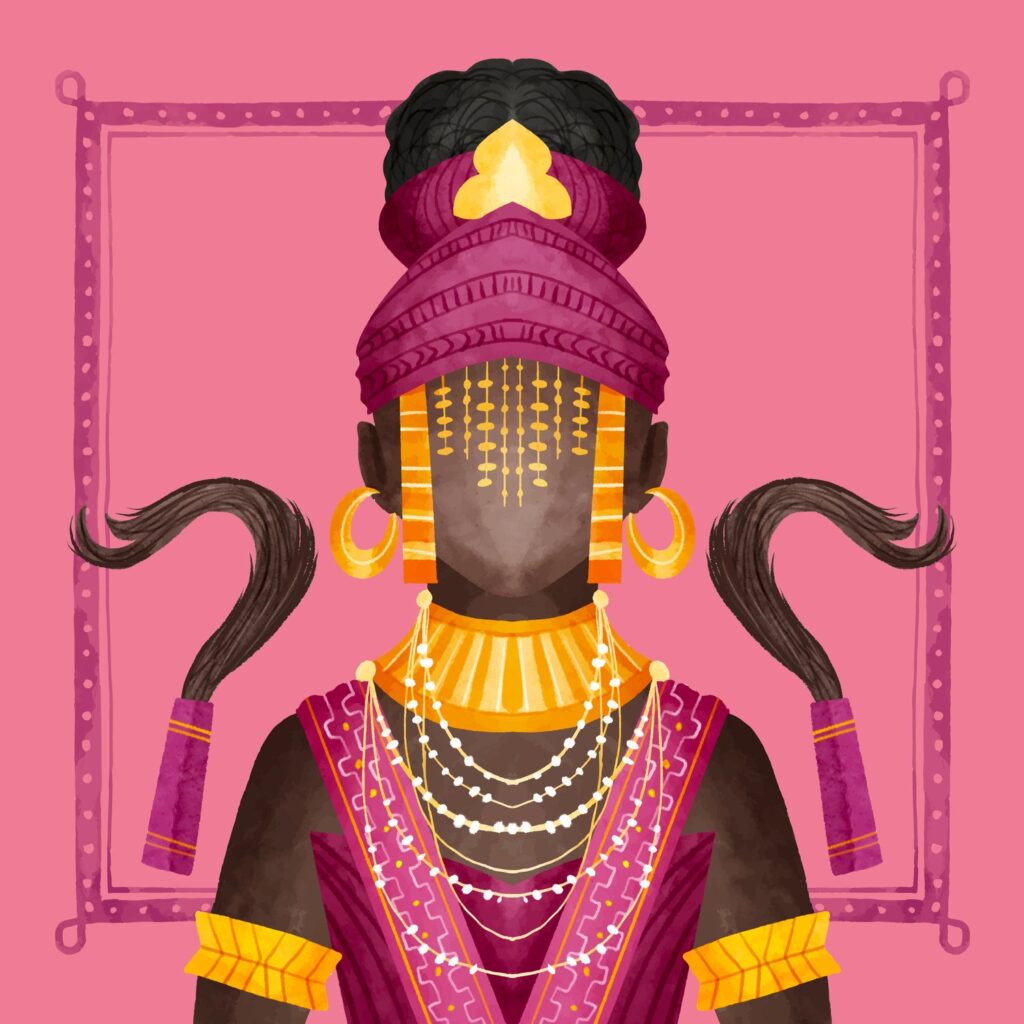
Queen of Lightening, Wind and Storms
Iansã is the characterized by the natural force of wind and thunderstorms, especially lightning. Through that she represents the forces of transformation and big changes. With her dervish like dance, she unleashes the raging of storms and controls the spirits of the dead. Her colors are red and magenta. She is also considered to be the Orixá of justice and righteousness.
Xango
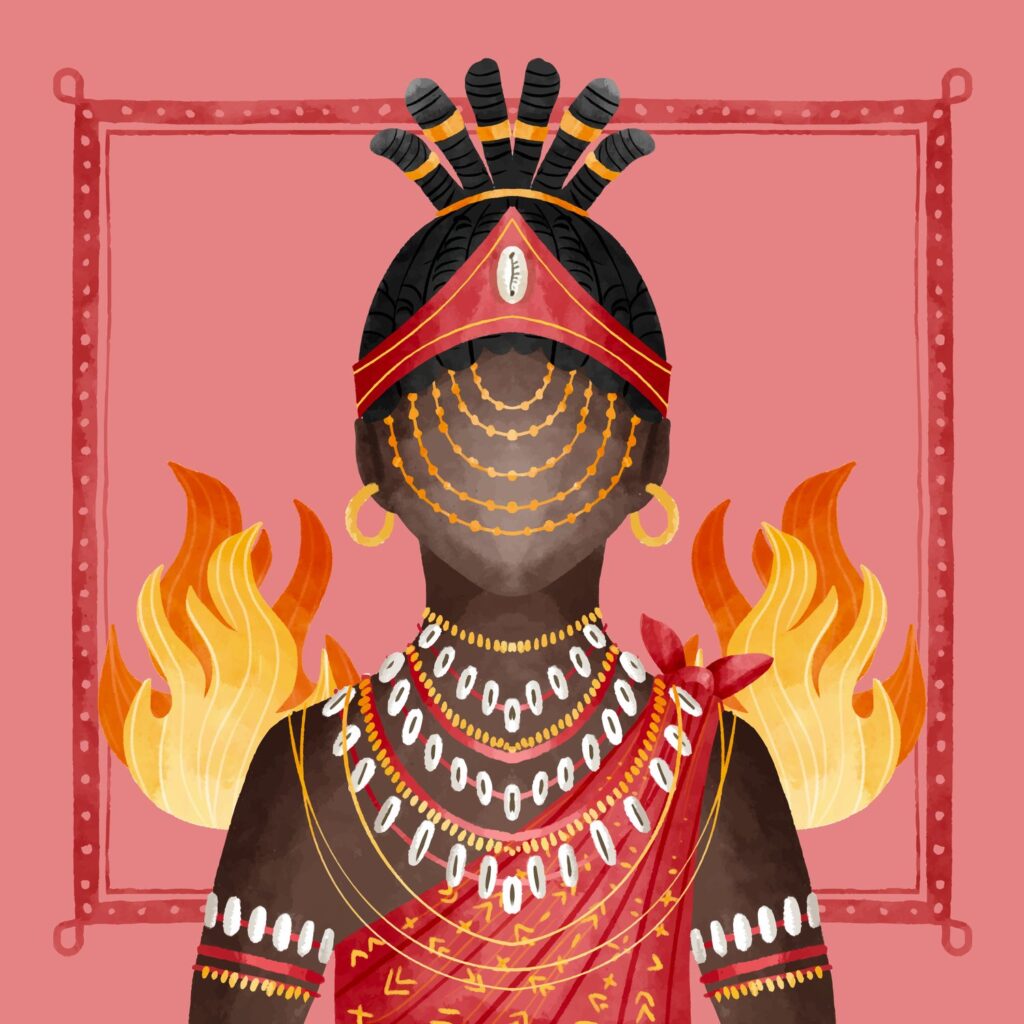
King of Thunder, Fire and Male Virility
Xango is a very important deity in the Umbanda religion and is often depicted as a powerful king with a double-edged axe, which symbolizes his authority and power. Xango, is the god of thunder and lightning, as well as fire, dance, and male virility. He serves as both judge and father of righteousness. Using his lightning, he punishes those who lie and commit wrongdoing, serving as the avenger of those affected by injustice. Xango embodies the ideals of ideology, decision-making, willpower, and initiative. He serves as the voice of the people and a brave fighter without equal.
Oxum
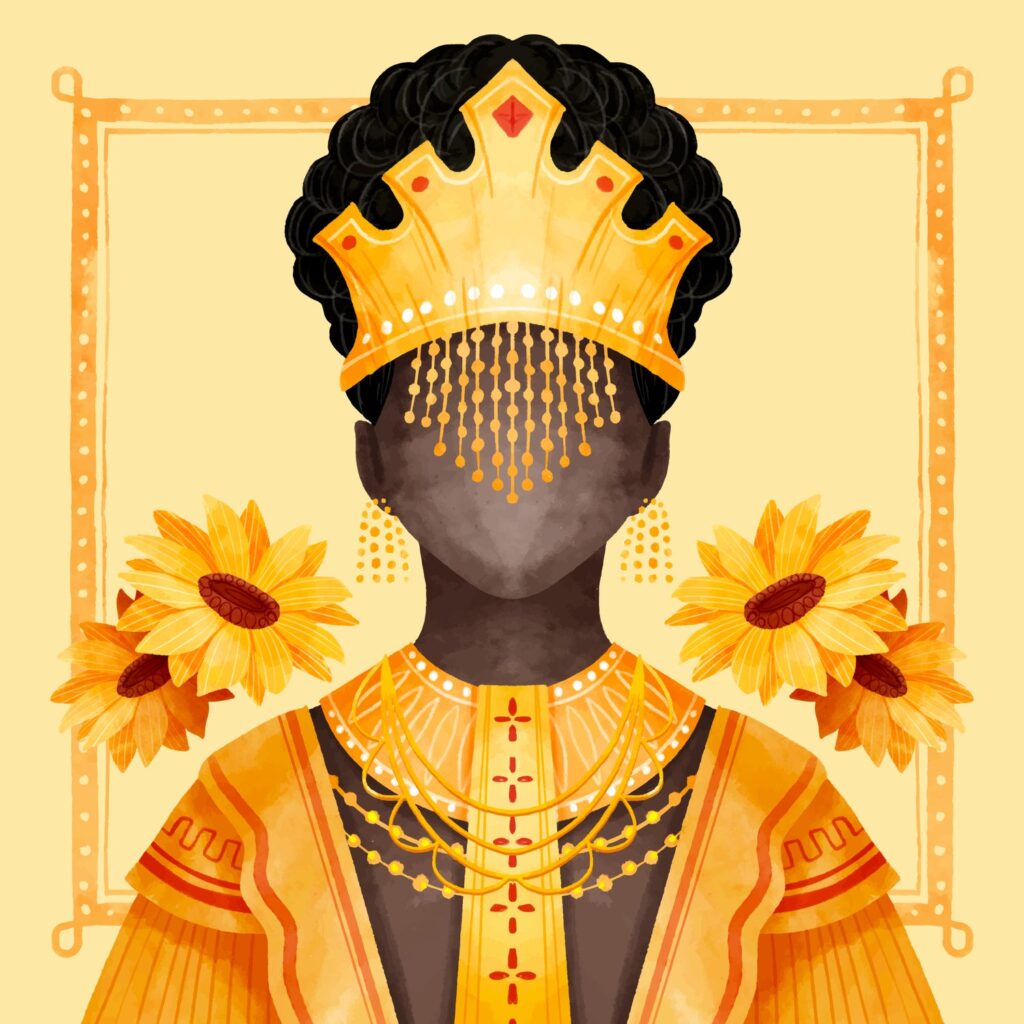
Goddess of Love, Reproduction and Creation
Oxum is an Orixá that represents the embodiment of mature, pure, real, true, sensitive, and solid love. As the mother of fresh water, she presides over rivers and springs, and is also revered as the goddess of reproduction and new creation. Pregnancies are placed under her protection, and birds and fish are also under her watchful eye. In addition to love, Oxum also embodies strong will. Although considered the most beautiful and seductive of all Orixás, she is also known for her vanity and jealousy.
Oxumaré
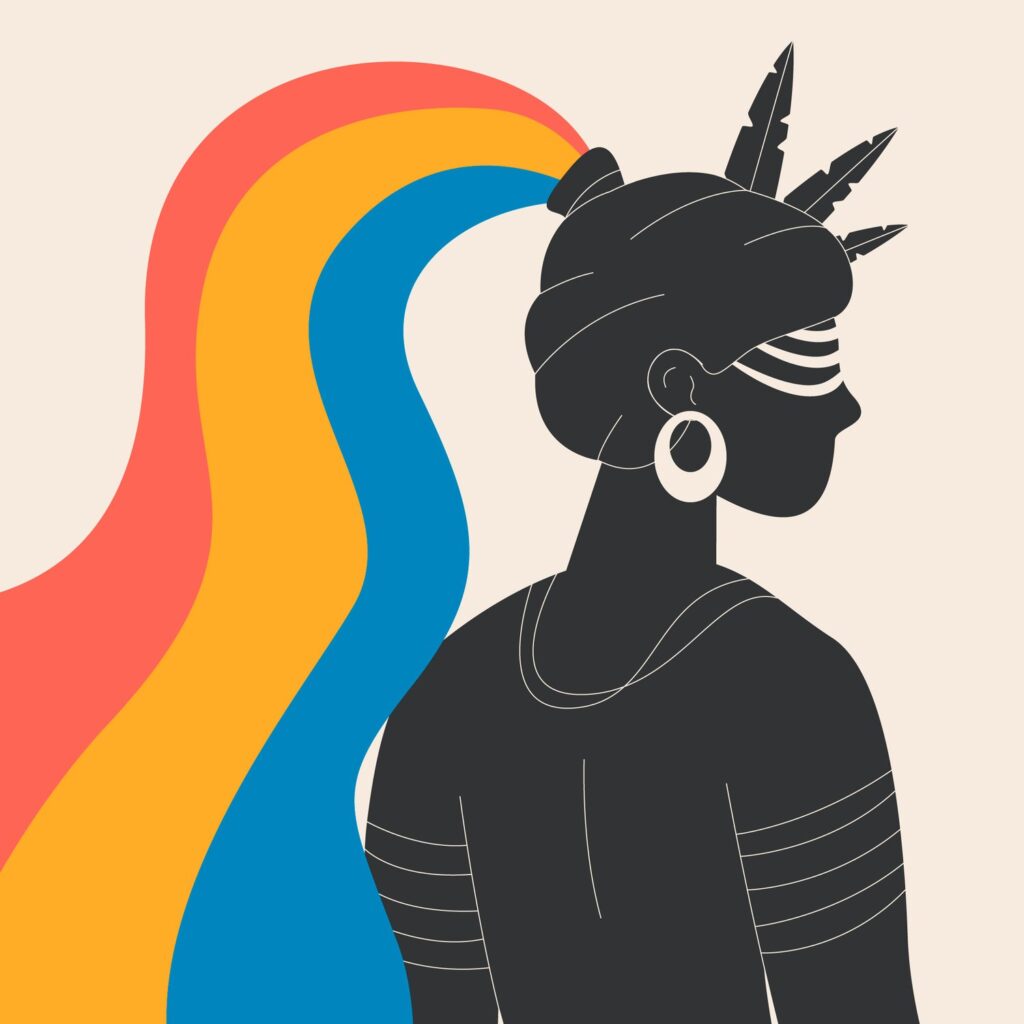
Power of Transformation, Movement & Renewal
Oxumaré is the Orixá responsible for directing the power and transformation that brings about movement. This deity is unique in that they embody both male and female energy, existing as a dual nature. During the first six months of the year, Oxumaré is represented as male and the rainbow is their symbol. For the remaining six months, Oxumaré takes on a female form represented by the snake. Both symbols, the snake and the rainbow, represent renewal and substitution. With this duality, Oxumaré contains all contradictions and oppositions, such as day and night, sweet and sour, good and bad, male and female, and so on.
Oxalá
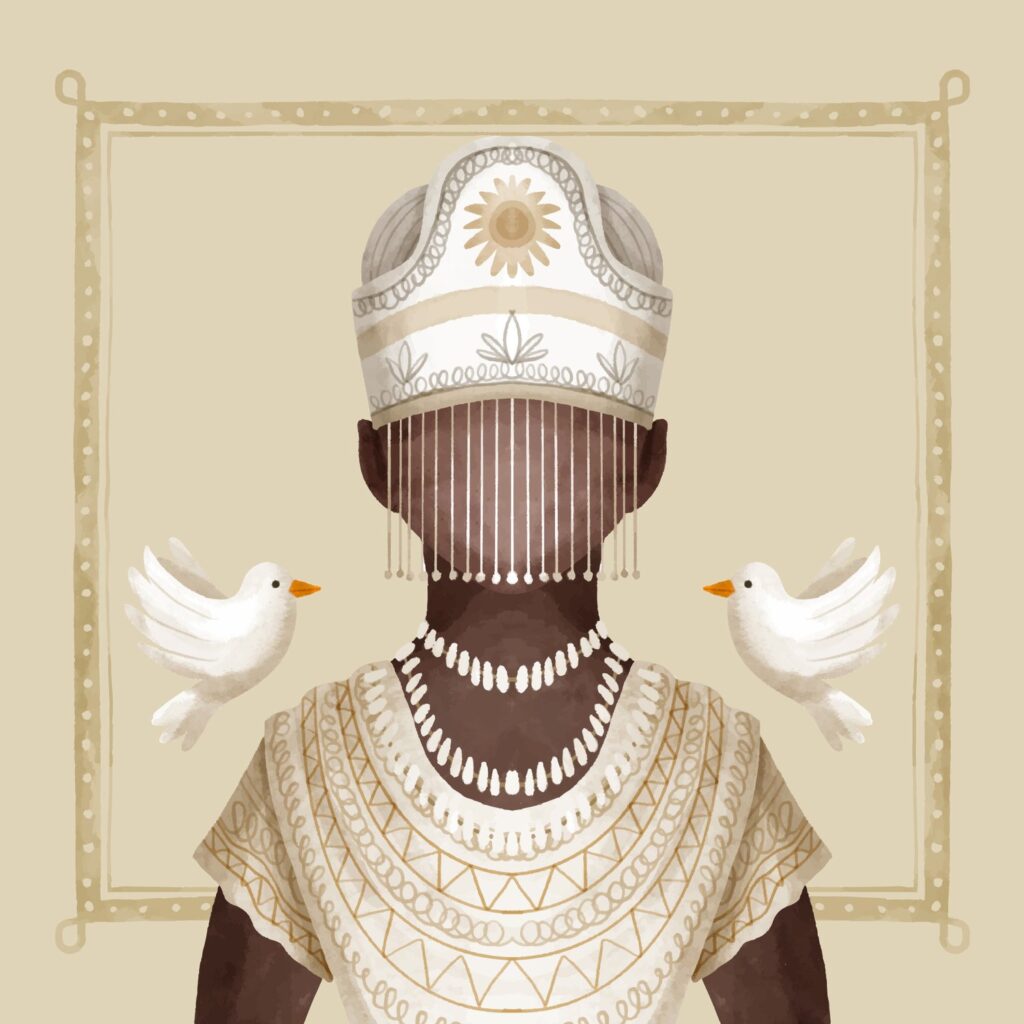
King of Purity, Master over Life & Death
Oxalá is regarded as the most powerful and significant of all the Orixás, and is considered to be the first. Olorum entrusted Oxalá with the responsibility of creating the earth. The elements of water, earth, and air are closely linked to Oxalá, as they are the essential building blocks from which all of creation emerged. This deity governs over these elements, and all creatures are under their protection. As a result, Oxalá has the power to control life and death. Oxalá takes on two distinct forms: that of an old, hunchbacked, and infirm man, as well as that of a strong youth. These two representations reflect the deity’s responsibility for the cycle of birth, aging, and death, which all creatures must endure. Oxalá is associated with virtues such as wisdom and balance.
Ogum
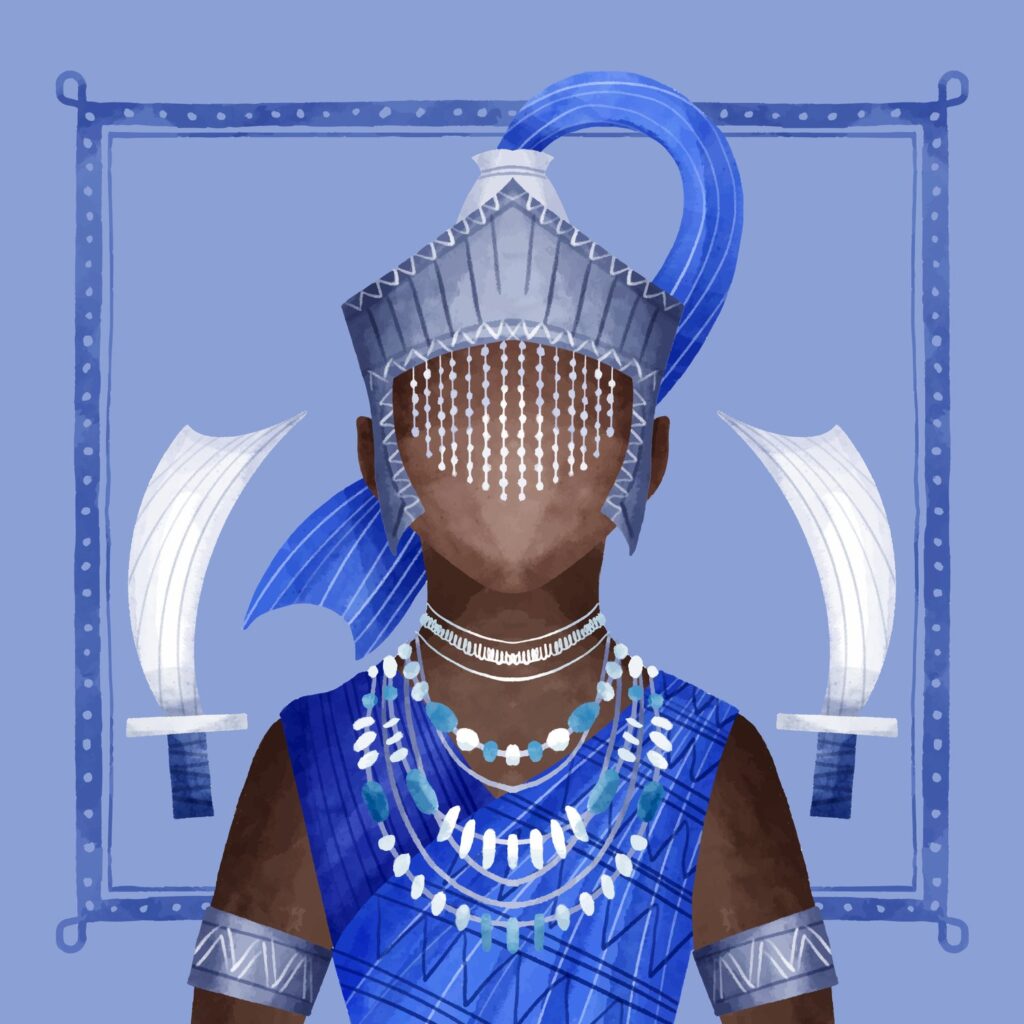
Blacksmith, Warrior, Inventor
Ogum is the Orixá of iron, embodying the roles of the blacksmith, warrior, and inventor. Ogum is also associated with rebellion, violence, and unpredictability. Accidents involving machines, including cars, airplanes, and trains, are often interpreted as signs of Ogum’s dissatisfaction. Ogum’s directness can come across as arrogance, and he can be aggressive and energetic, occasionally experiencing fits of real rage. He lacks compassion in combat, having accidentally killed his own people twice before. Ogum does not feel at home anywhere and enjoys spontaneous trips without a set destination. His color is blue, and his symbols are the sword and the diamond. Ogum resides in iron, war, highways, and railroad tracks.
Omulu
Healer & Patron of the Ill
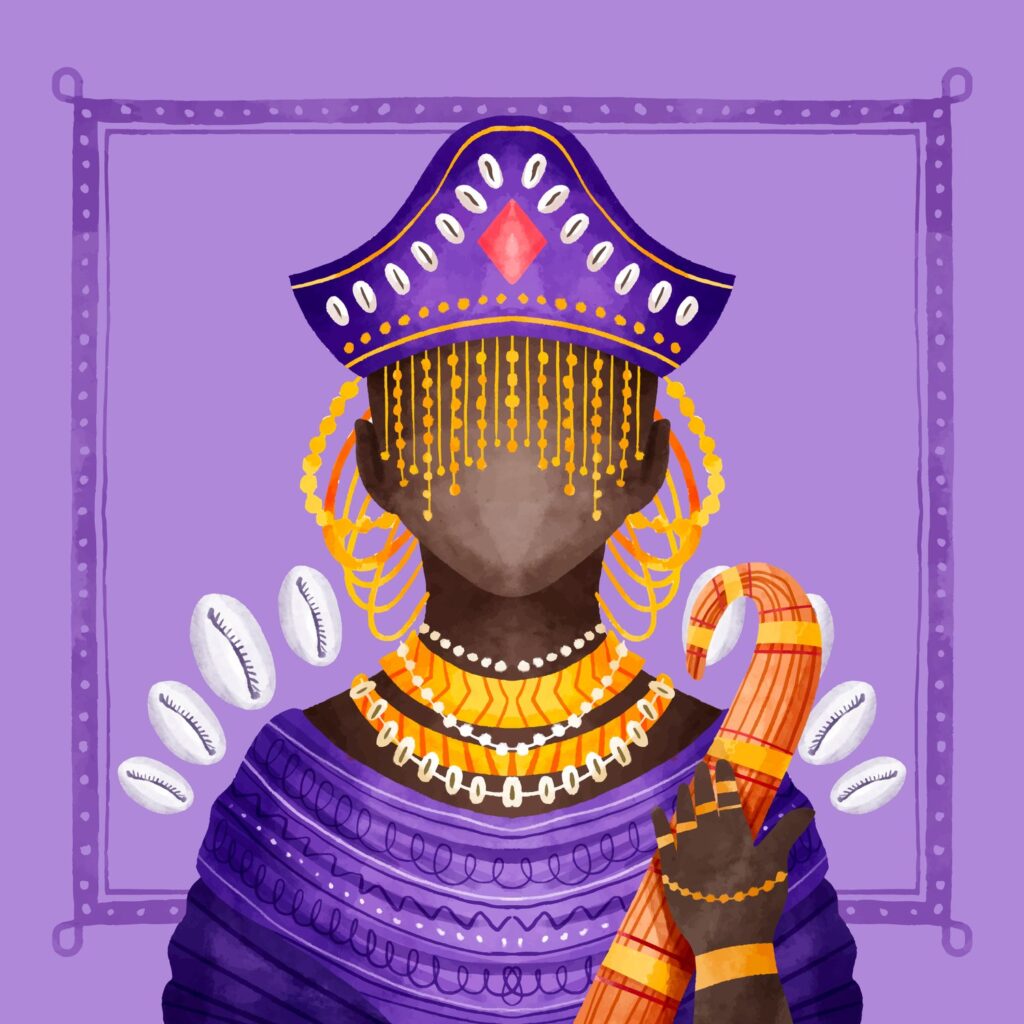
Omolu is an Orixá closely connected to the earth, and is associated with the mysteries of birth and death. He possesses the power to both give and take away life. Omolu’s domain includes diseases, particularly smallpox, skin diseases, and epidemics. In this role, his power is both destructive and healing. Omolu’s appearance is shrouded in mystery; his face is always covered with raffia. He is known not only for spreading diseases, but also for possessing knowledge of their cures. This makes him a powerful healer and the patron of those suffering from illnesses. The colors associated with Omolu are black and white, his symbol is the scythe, and his stone is black onyx.
Nana
Wisdom of the Elderly, Mistress of Swamps & Bogs
Nana is a very old Orixa. Her elements are earth combined with water. She is the mistress of swamps and bogs. Nana is grounding. She represents the heaviness and solidity of earth, and stands for clay. With it we can manifest our desires and ideas. Nana feeds us with devotion and humility and makes us aware of where we are naïve and stupid towards the world and others. Nana teaches us that we get out of uncomfortable situations not only through struggle, but also through wisdom from our culture and tradition.
Oxossi
Knowledge, The Hunter, Wisdom of the Forest
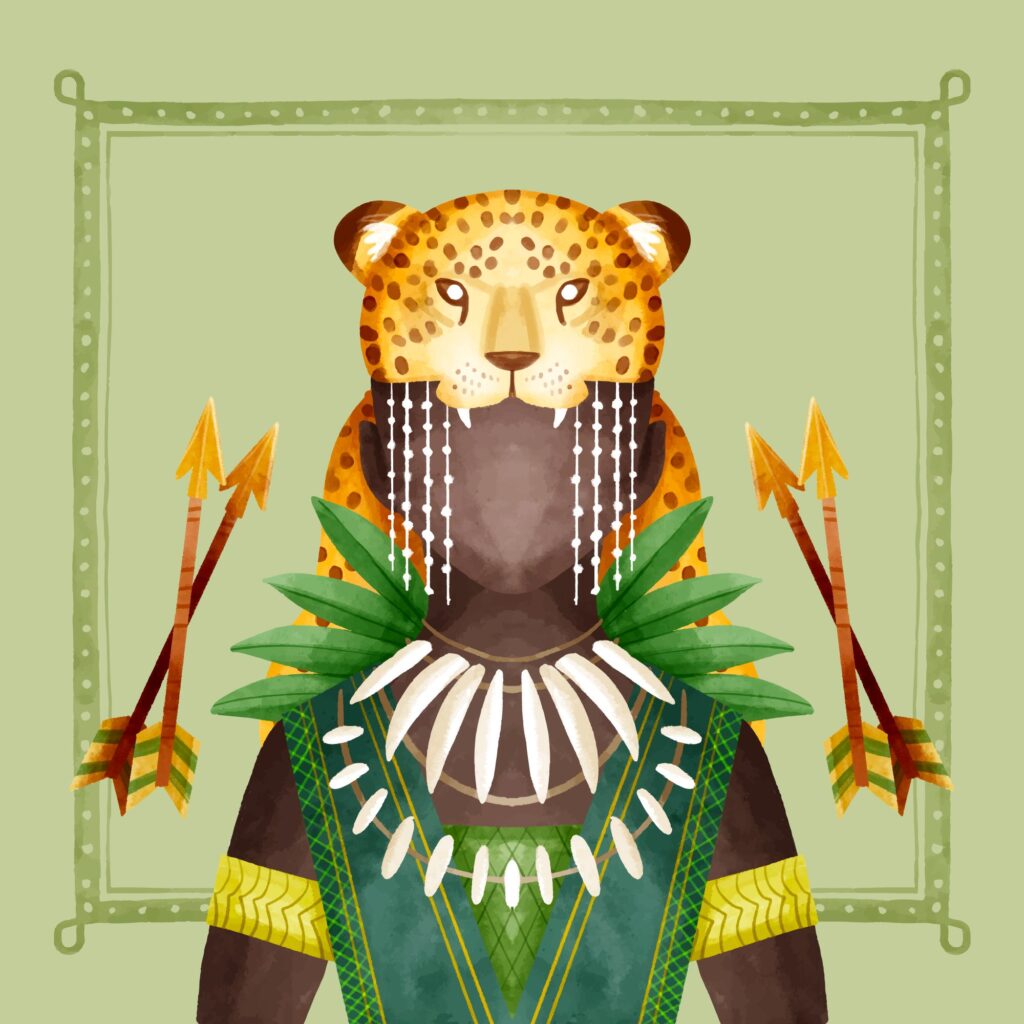
Oxossi is represented by the figure of a man who has a bow and arrow in his hands, considered a kind of guardian and hunter. Oxossi is linked to knowledge and nature: He always praises everything that nature can provide, according to human need. For this reason, he is also known as the orixá of hunting, abundance and sustenance. He protects all those who leave home every day for work, as it is from this effort that the family’s sustenance comes.

Learn more about the Orixás
by joining our works.